


How to Start a T-Shirt Business in 2026 the Right Way (Step-by-Step Guide)
Whether you're shopping for blank bags, premium apparel, stylish hats, bulk quantities, or fully customized printing and embroidery, BagzDepot delivers fast, affordable, and high-quality solutions — trusted by 200,000+ customers nationwide.
Request a Custom Quote →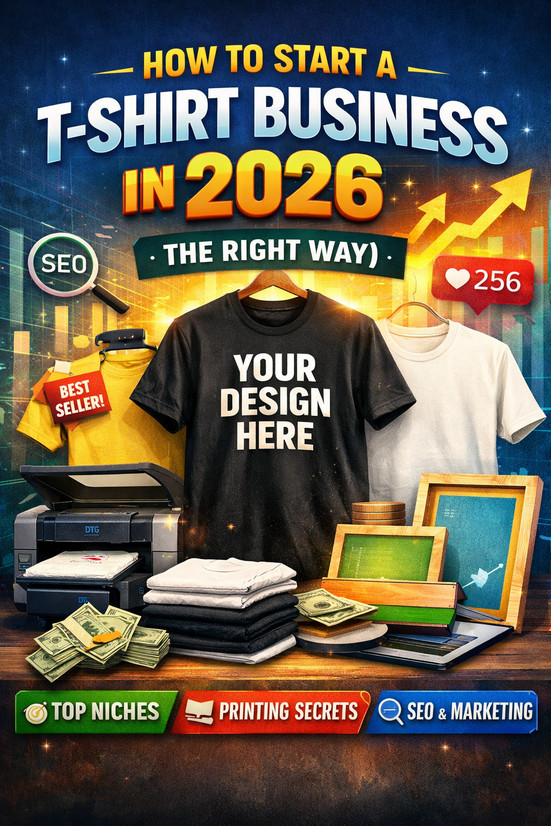
How To Start A T-Shirt Business In 2026 (The Right Way)
Starting a t-shirt business in 2026 is still one of the fastest ways to build a brand—if you do it with a real plan. Trends change, ad costs shift, and customers expect higher quality than ever. This guide is the “do it right” roadmap: niche selection, designs that sell, sourcing blanks, printing methods, pricing, SEO, marketing, and scaling.
- Pick a niche that actually buys
- Choose the right business model
- Name + brand foundations (so you don’t blend in)
- Designs that sell in 2026
- Choose blanks + printing method
- Create products people trust (photos, size charts, policies)
- Pricing for profit (not vibes)
- Launch plan: SEO + social that converts
- Scale: wholesale, corporate, and repeat orders
- 2026 t-shirt business checklist
- FAQ
Shop wholesale blanks or get custom t-shirts made fast with BagzDepot.
Step 1: Pick a niche that actually buys
The biggest mistake beginners make is trying to sell “cool shirts for everyone.” In 2026, the brands that win speak to a specific community with a specific message.
How to find a niche with real demand
- Start with identity: hobbies, jobs, lifestyles, local pride, clubs, teams, causes.
- Look for repeat buyers: gyms, schools, events, small businesses, organizations.
- Check “purchase intent”: people searching for “custom + (their group)” are ready to buy.
Pick 3 niche ideas and write 10 shirt concepts each. If you struggle to create 10, the niche might be too broad, too trendy, or not emotionally strong enough to support a brand.
Step 2: Choose the right business model
Your model determines your margin, workload, and how fast you can scale. Here are the most common paths in 2026:
| Model | Best for | Pros | Cons |
|---|---|---|---|
| Print-on-demand (POD) | Testing ideas fast | Low upfront cost, no inventory | Lower margins, limited branding control |
| Small-batch / limited drops | Building hype + better margins | More control, stronger brand feel | Requires planning + cash for blanks/printing |
| Wholesale / custom orders | B2B + steady revenue | Large orders, repeat clients | Sales process + deadlines |
Many smart brands start POD to validate designs, then move to small batches for margin, and eventually add wholesale/custom orders for consistency.
Step 3: Name + brand foundations (so you don’t blend in)
In 2026, consumers can spot “generic” instantly. You don’t need a huge budget—you need clarity.
Brand foundation checklist
- Brand promise: What do customers get that’s different? (fit, feel, message, speed, cause)
- Brand voice: funny, bold, premium, minimal, streetwear, family-friendly, etc.
- Visual identity: colors, fonts, photo style, mockups that match your audience.
- Offer clarity: blank tees, custom tees, or both?
If you plan to sell to businesses, teams, events, or schools, your brand should communicate reliability and clear ordering steps.
Step 4: Designs that sell in 2026
The best t-shirt designs in 2026 follow one rule: they’re instantly understood in under 2 seconds—on a phone.
What’s working right now
- Simple typography with a strong hook (clean, readable, high contrast).
- Micro-communities (inside jokes for a specific group).
- Premium minimal graphics that look “retail-ready.”
- Local/event merch people wear after the moment (runs, school events, fundraisers).
Build design “series,” not one-offs. Series make your store feel curated and boost average order value because customers want multiple styles.
Step 5: Choose blanks + the right printing method
Your blank tee and print method can make (or break) reviews. Fit, softness, shrink behavior, and print durability matter more than ever.
Picking a blank t-shirt
- Fabric: ring-spun cotton or cotton blends for a softer retail feel.
- Weight: lightweight for summer, midweight for everyday, heavyweight for streetwear.
- Consistency: stick to a few core blanks so customers know what to expect.
You can browse wholesale blanks here: Wholesale T-Shirts and the full apparel range here: Wholesale Apparel.
Printing methods (and when to use each)
| Method | Best for | Why it works |
|---|---|---|
| Screen printing | Bulk orders, bold designs | Excellent durability and low per-unit cost at volume |
| DTG (Direct-to-Garment) | Small runs, full color | Great for detailed art without large minimums |
| Heat transfer / DTF | Fast customization | Flexible for varied designs and quick turnaround |
Tell a supplier your goals (order size, colors, deadlines, wash durability) and let them recommend the right method. For custom production, request a quote here: Request a Custom Quote.
Step 6: Create products people trust
You don’t need 100 products. You need a clean store experience that removes doubt.
Product page must-haves
- Clear images: mockups + real photos (front/back/close-up).
- Size chart: measurements + fit notes (“relaxed,” “true to size,” etc.).
- Fabric details: weight, blend, shrink info, care instructions.
- Shipping/returns: simple, visible, and honest timelines.
If you’re selling to businesses or events, add a “How Ordering Works” section and a quote form link so customers can place larger orders without friction.
Step 7: Pricing for profit (not vibes)
Pricing is math + positioning. Start with your landed cost:
- Blank t-shirt cost
- Printing cost
- Packaging
- Shipping (if you cover it)
- Platform + payment fees
- Returns/defects buffer
Simple pricing framework
- Testing phase: prioritize validation and reviews while keeping a reasonable margin.
- Brand phase: price based on perceived value (premium feel, niche authority, story, quality).
- Scale phase: improve margins by buying blanks in bulk and optimizing print runs.
Don’t compete on the lowest price. Compete on clarity, quality, and trust—then offer bundles: 2 for $X, “family packs,” or “team packs.”
Step 8: Launch plan (SEO + social that converts)
A strong launch is a schedule, not a single post. In 2026, organic content + SEO is how you lower reliance on ads.
SEO basics that move the needle
- One main keyword per page: don’t mix “custom,” “funny,” “streetwear,” and “wholesale” on one page.
- Internal links: send readers to your product categories (Google loves this).
- Image SEO: descriptive filenames + alt text + real photos.
- FAQ section: capture long-tail searches and “People Also Ask” questions.
Social content that sells without feeling salesy
- Behind-the-scenes printing and packaging
- “Design story” videos (why you made it)
- Customer photos and reviews
- Outfit styling: 3 ways to wear it
- Short videos: “New drop in 10 seconds”
Browse wholesale tees: Wholesale T-Shirts • Explore apparel: Wholesale Apparel • Need custom pricing? Request a Quote
Step 9: Scale with wholesale, corporate, and repeat orders
The fastest way to stabilize revenue is to add B2B and repeat buyers. Think:
- Local businesses: staff shirts, promos, uniforms
- Events: races, fundraisers, school events, conferences
- Organizations: teams, clubs, churches, groups
Simple scaling moves that work
- Create “packages” (e.g., Starter Pack: 50 tees, Pro Pack: 100 tees).
- Offer fast re-orders (save artwork, quick turnaround, consistent blanks).
- Build a reorder list: follow up 30–60 days after delivery.
If you want help placing a wholesale order or setting up custom production, reach out here: Contact BagzDepot.
2026 T-Shirt Business Checklist
- Choose a niche + write 10 design ideas
- Pick a model: POD, small batch, or wholesale/custom
- Lock brand basics: promise, voice, and visual style
- Select 1–3 core blank tees
- Choose printing method based on volume + design type
- Create product pages: photos, size chart, policies
- Set pricing using landed cost + margin goals
- Launch with a 2–4 week content plan (short videos + emails)
- Build SEO: internal links + FAQs + consistent publishing
- Add repeat revenue: reorders + wholesale packages
FAQ: Starting a T-Shirt Business in 2026
How much money do I need to start a t-shirt business in 2026?
You can start lean with under $200 using mockups, print-on-demand, and organic marketing. If you’re buying blanks and printing in bulk, plan for $500–$2,500+ depending on quantities, printing method, and packaging.
Is print-on-demand or bulk printing better?
POD is best for testing designs with low risk, but margins are smaller. Bulk printing usually offers higher margins and better branding control once you’ve validated demand.
What printing method is best for beginners?
Beginners often do best with POD for fast validation, or DTG for smaller batches. Screen printing becomes the best option when you’re confident in volume because your per-unit cost drops significantly.
Where can I buy quality blank t-shirts wholesale?
Look for a supplier that offers consistent fits, reliable inventory, and multiple fabric options. You can shop BagzDepot’s wholesale tees here: Wholesale T-Shirts.
How do I get a quote for custom t-shirts?
Submit your quantity, print locations, colors, and deadline here: Request a Custom Quote. If you want to talk through options, you can also contact us here: Contact Us.
Description
Promotional Bags Tips & Resources
-
Why Businesses Choose Wholesale Tote Bags and Custom Promotional Bags for Marketing in 2026
Mar 16, 2026Businesses across the United States are increasingly using wholesale tote bags, custom tote bags, an
Description
-
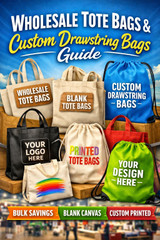
Why Businesses Are Choosing Wholesale Tote Bags, Custom Tote Bags, and Custom Drawstring Bags in 2026
Mar 13, 2026Promotional bags continue to be one of the most practical and cost-effective ways to market a busin
Description
-

Why BagzDepot Is Becoming a Top Choice for Wholesale Bag Buyers
Mar 04, 2026Looking for a reliable wholesale bag supplier? BagzDepot is quickly becoming a preferred destination
Description
- Read more articles